Friday, November 22, 2013

APOD 2.5

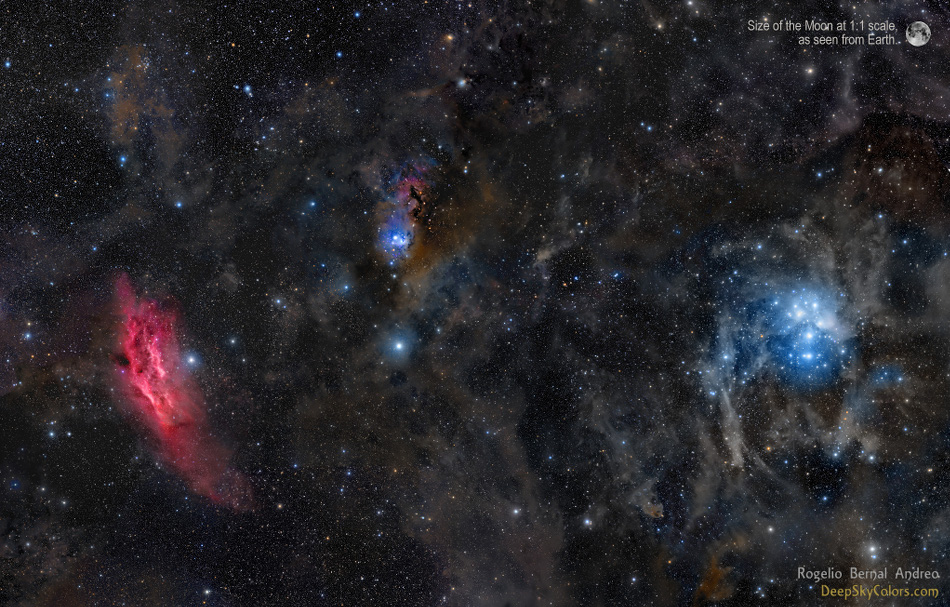
The APOD for this week that I chose is titled, "From California to the Pleiades" The entry describes with detailed the size of the distance from the California Nebula to the Pleiades star cluster. According to the entry this is about a 400 light year distant. I think it's awesome to see how time and distance in space can expand so far. I think it's a tough topic to wrap my hand around but the APOD picture helps because I can see the two different celestial objects and connect them somehow.

Friday, November 15, 2013

APOD 2.4

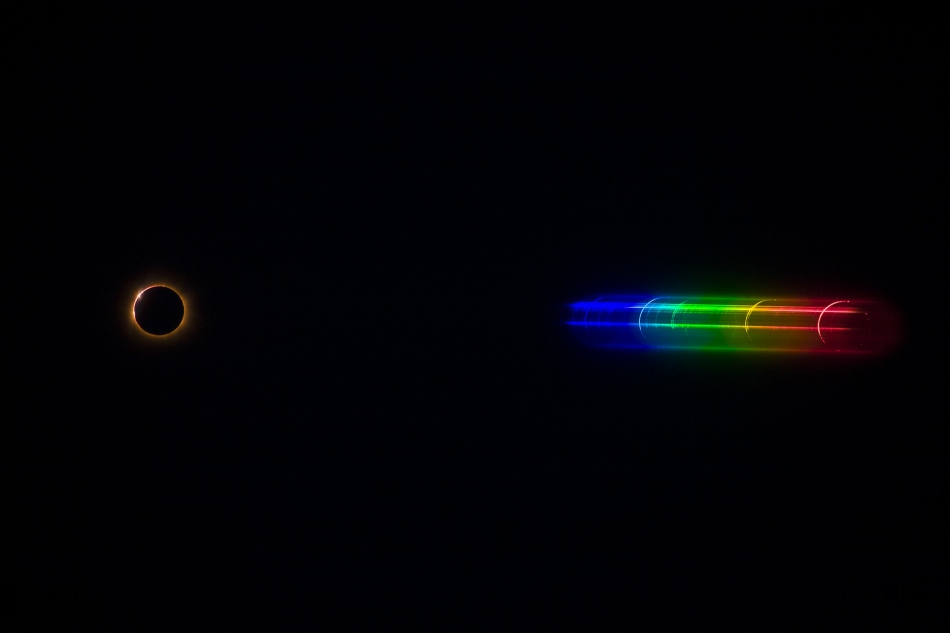
The APOD for today is titled "The Flash Spectrum of the Sun" I was immediately intrigued by this picture and decided to pick it for this week's APOD because I was remined of when we looked at light spectrums in class from several angles. This APOD entry speaks of the brief change in the visible spectrum of the sun during a solar eclipse. The entry also mentions and explains why the light spectrum of the Sun appears the way it does. It relates to the chemicals of the sun liek Helium and Hydrogen. This also reminds me of when we did the light spectrum activity in class.

Friday, November 8, 2013

APOD 2.3

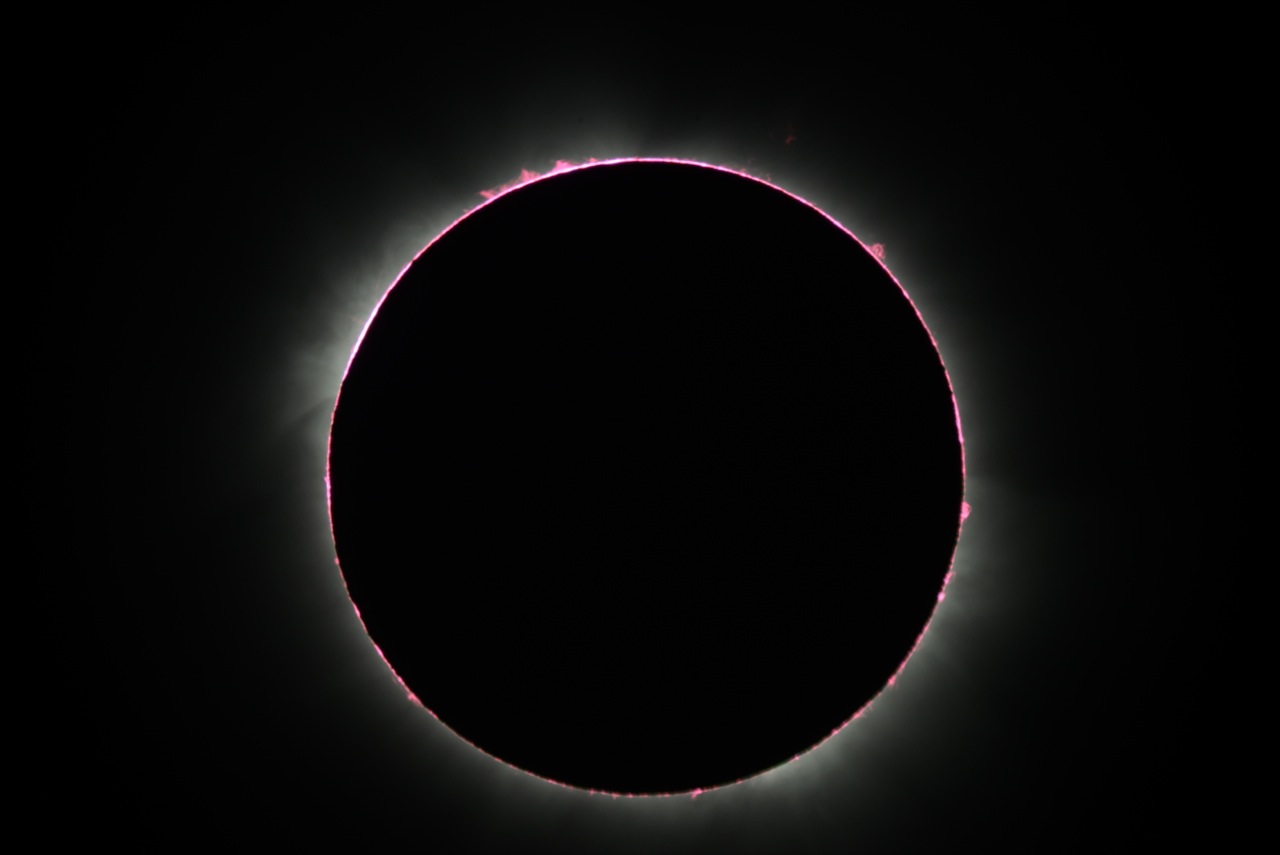
The APOD for November 8, 2013 depicted the previous total solar eclipse viewed from the country of Uganda. This eclipse took place on November 3rd, however the eclipse cannot be completely seen from every single part of the world. This is why this picture is from Uganda. The elipse lasted a full 20 seconds. The reason I chose this picture is because solar eclipses, in my mind are extremely facisnating and since I cannot see a full solar eclipse from where I am, I thought it was intriguining. I also find it very interesting that one can look at the eclipse and it looks as if the moon and the sun look similar in size.

Friday, November 1, 2013

APOD 2.2

The NCG 7841 is a smoke nebula in the constellation Frustriaus. Actually no, this is not a real nebula but rather the amazing result of bad water and the earth's natural elements: water and smoke. In Sweden, astrophotographer Göran Strand  used flash photography to make this photograph. I chose it for the APOD of this week because when I first saw it, I thought it was a real satellite picture of a nebula but I was proven wrong. I for one, think this is a really cool picture and can show how inspirational space can be. I'm also interested now in both what flash photography is exactly and I want to learn more about the cool smoke nebula that looks so realistic in this picture.

Wednesday, October 30, 2013

Observation Post - 30 Oct. 2013


The moon's crescent shape was very clear in the sky directly above. The rest of its shadow was faintlyc clear which made it all the most interesting to observe how clear the phase was to the naked eye. I like how when I pay more attention to the sky and look up, I can now observe this on a regular basis. Sometimes, it's a cloudy but it's nice to recognize the celestial object's characteristics on a clear day like today.

Thursday, October 24, 2013

APOD 2.1
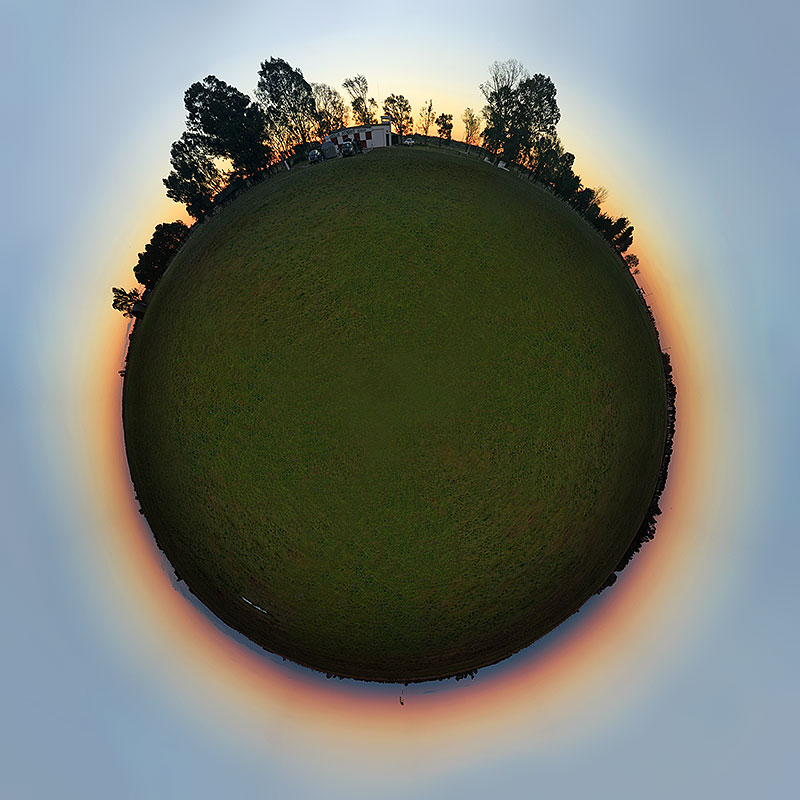
For today, NASA's APOD was titled "Little Planet Shadowrise." I picked this picture because I thought it gave an interesting and new perspective. The little planet is supposed to be a depiction of Earth and even thought, I know this is not a real-life picture, I thought it was interesting artpiece and had a nice choice of colors. It also got me thinking about what I have learned regarding the sun and earth's relations.

Tuesday, October 22, 2013

Observation Post - 22 Oct. 2013

Today the moon was visibile in broad daylight morning, the latest i saw it was around 9:10 as i was walking from class to classs. It was very clear. I was even able to observe its craters.